
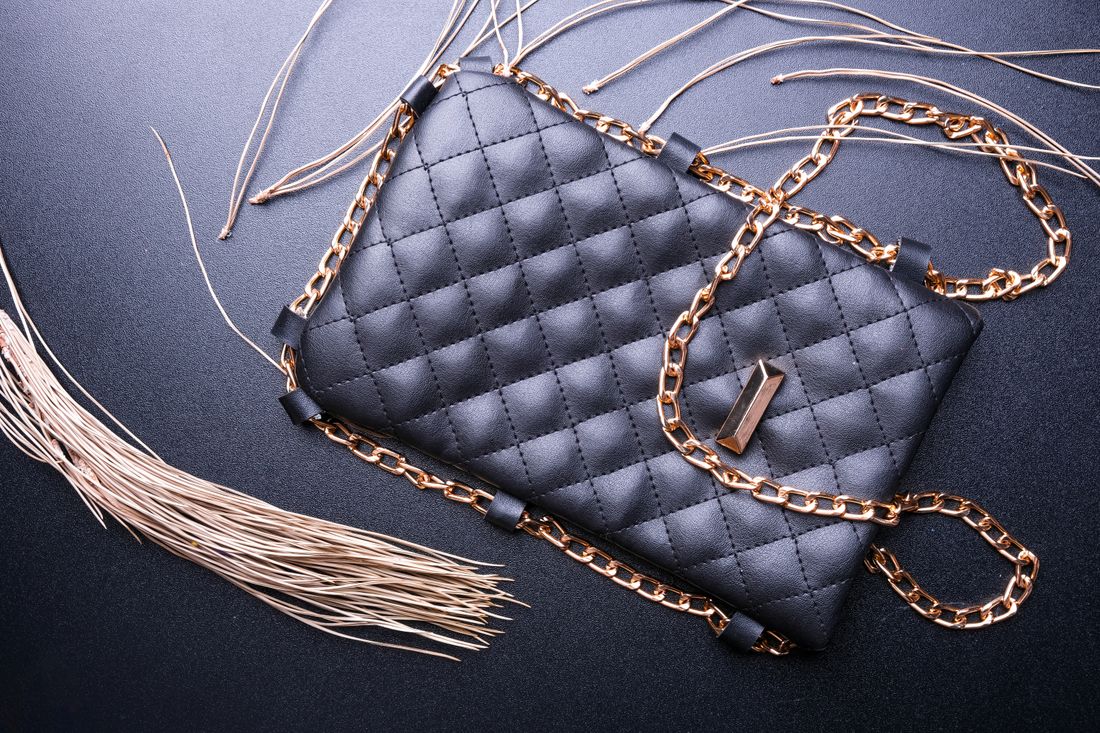
Counterfeits have gotten good — but they still slip up in the details. Here are the nine things professional authenticators check first to tell a genuine luxury handbag from a fake.
For general information only — not professional advice. Every piece is different; try any care tips at your own discretion. StefenMarie Co isn't responsible for outcomes.
1. Stitching
This is the fastest tell. Authentic luxury bags have straight, even, tightly spaced stitching with a consistent number of stitches in signature areas. Look for crooked lines, loose threads, glue peeking out, or uneven spacing — all signs of a counterfeit.
2. Hardware weight & finish
Genuine hardware feels substantial and cool to the touch, with a smooth, even plating. Fakes often use lightweight, hollow-feeling metal that scratches easily or has a slightly "gold spray-paint" look. Zippers should glide; engravings should be crisp and deep, never shallow or blurry.
3. Logos & fonts
Compare the logo to a verified reference. Watch letter spacing, proportions, and alignment — counterfeiters frequently get the font weight or spacing subtly wrong. On patterned bags, check whether the pattern lines up correctly at the seams (authentic makers align it; fakes often don't).
4. Serial numbers, date codes & cards
Depending on the brand and era, a bag may have a date code, a heat stamp, a microchip, or an authenticity card. Learn what that brand and year should have. A code alone proves nothing — counterfeiters copy them — but the font, placement, and format of the code often reveal a fake.
5. Materials & smell
Real leather has a natural grain and a rich, subtle leather scent. Fakes can smell of chemicals, plastic, or glue, and may feel stiff or overly "perfect." Coated canvas should feel smooth and durable, not thin or tacky.
6. The lining & interior
Interiors are where corners get cut. Check that the lining material, color, and stamping match what the brand actually used for that model and year. Sloppy interior stitching or the wrong lining fabric is a common giveaway.
7. Hardware stamps & heat stamps
Brand stamps should be evenly pressed, crisp, and correctly positioned. Look closely at letter shapes and depth. Smudged, uneven, or too-deep stamping is a warning sign.
8. Overall construction
Pick the bag up. It should feel balanced and hold its shape. Handles should be firmly attached, edges cleanly finished and painted, and the base sturdy. Flimsy structure or messy edge paint points to a counterfeit.
9. Where — and from whom — you buy
The most reliable check of all is the seller. A trustworthy reseller authenticates every piece and stands behind it. If a deal seems too good to be true and the seller can't speak to authenticity, walk away.
Any one of these can be faked. It's the whole picture together — stitching, hardware, materials, construction — that tells the truth.
Our promise
At StefenMarie Co, every handbag is professionally authenticated and hand-inspected before it's ever offered. If a piece doesn't meet our standard, it never joins the collection — so you never have to play detective.